OCEAN PHARMA CONSULTING LLC

ABOUT US

Welcome to OceanĀ  Pharma Consulting LLC, your trusted partner in pharmaceutical industry. At OceanĀ  Pharma Consulting LLC, we are dedicated to providing comprehensive and innovative solutions to navigate the complex landscape of the pharmaceutical industry. Our team of experienced experts brings a wealth of good experience, knowledge of expertise and passion for excellence to deliver the pharma project.

With a commitment to driving success, Ocean Pharma Consulting LLC collaborates with pharmaceutical companies of all sizes, from startups to established enterprises. Our consultancy services encompass a wide range of areas, including regulatory affairs, quality assurance, compliance, research and development, technology transfer and market access. We understand the dynamic nature of the pharmaceutical sector and tailor our strategies to meet the unique needs and challenges of each client. What sets OceanĀ  Pharma Consulting LLC apart is our unwavering dedication to ensuring the highest standards of quality, safety, efficient work and compliance in the development and delivery of pharmaceutical products.


We stay abreast of the latest global industry trends, regulatory updates, and technological advancements to provide our clients with cutting-edge solutions that drive efficiency and promote growth. At the heart of our approach is a client-centric philosophy. We believe in fostering strong, collaborative partnerships, working hand-in-hand with our clients to achieve their goals. Whether you are seeking guidance on development, tech transfer, regulatory submissions, optimizing your quality management systems, or navigating market complexities, OceanĀ  Pharma Consulting LLC is here to provide strategic insights and hands-on support. Explore our website to learn more about our team, our services, and our commitment to excellence. OceanĀ  Pharma Consulting LLC is your compass in the pharmaceutical landscape, guiding you towards success with precision, expertise, and a steadfast dedication to your vision. Welcome to a brighter future in pharmaceutical consulting services.

OUR SERVICES

Quality Assurance Support

Formulation Development

BusinessĀ  Ā Development

OUR TEAM

Experience and Expertise

  • Successful pharmaceutical business development requires a combination of scientific expertise, business acumen,regulatory knowledge, and strategic planning.

  • Companies in this industry continually evaluate their portfolios andĀ seek innovative ways to address the evolving healthcare landscape.

RESOURCES

API AND FORMULATION AND FORMULATION DEVELOPMENTĀ 

Alectinib

Dabrafenib..

Empaglifozin

Eliglustat

Pomalidomide

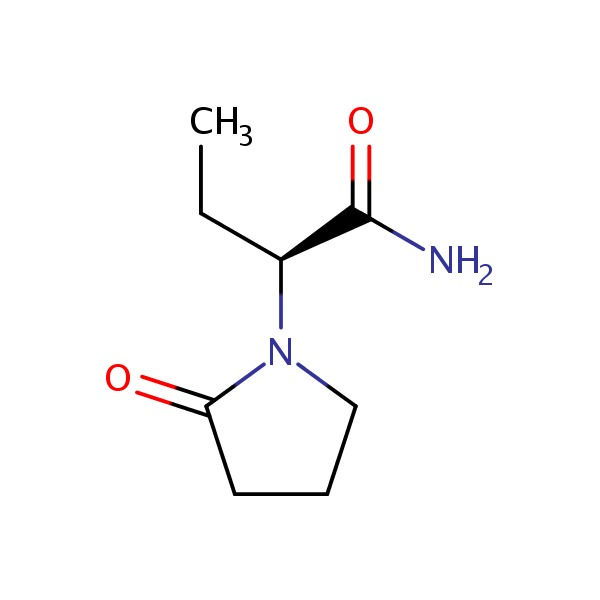
Brivaracetam

Rivaroxaban

Ibrutinib

Efonidipine…

Osimertinib…

Prucalopride…

Teriflunomide

Delamanid

Mirabegron

CONSULTING NETWORK

CONTACT US

Email Us

ninad@oceanphamallc.com

bd@oceanpharmallc.com

info@oceanpharmallc.com

finance@oceanpharmallc.com

Our Address

Indian Office :

13-D, Prankunj Society, Kankaria, Maninagar, Ahmedabad 380028

US Office :

200 Cascade Pointe Ln #103, Cary, NC 27513

Scroll to Top

Alectinib

Alectinib is an oral medication employed in treating non-small cell lung cancer (NSCLC). Functioning as a potent ALK inhibitor, it impedes the growth of cancer cells harboring ALK gene mutations. Recognized for its efficacy and manageable side effects, Alectinib has emerged as a valuable option for patients with ALK-positive NSCLC, contributing to improved outcomes in targeted therapy for this specific form of lung cancer.

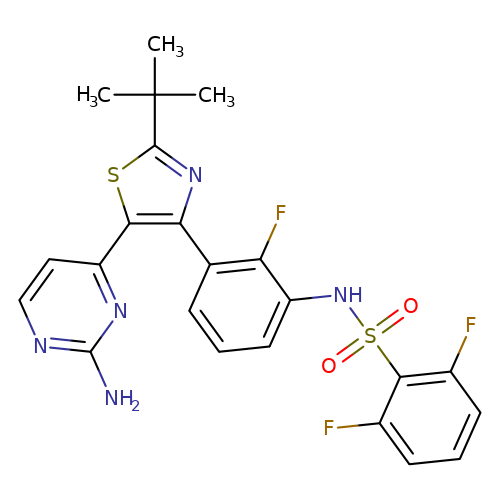
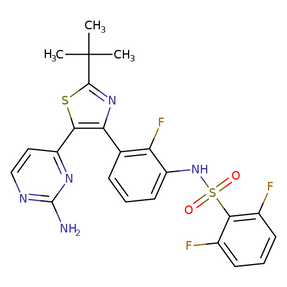
Dabrafenib Methylated

Dabrafenib methylated is a targeted therapy for melanoma, inhibiting mutated BRAF genes. Administered orally, it disrupts cancer cell signaling pathways, impeding uncontrolled growth. Dabrafenib methylated is particularly effective in treating metastatic melanoma with the BRAF V600E mutation. By specifically targeting the altered gene, this medication offers a tailored approach, showcasing significant progress in precision medicine for melanoma patients, with manageable side effects compared to traditional chemotherapy.

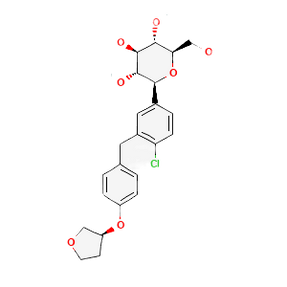
Empaglifozin

Empagliflozin is an oral medication for managing type 2 diabetes by inhibiting SGLT2 receptors in the kidneys, reducing glucose reabsorption and promoting its excretion through urine. This mechanism lowers blood sugar levels independently of insulin. Beyond glycemic control, Empagliflozin has demonstrated cardiovascular and renal benefits, making it a valuable option for patients with diabetes and comorbidities. Administered once daily, this medication has shown efficacy in improving overall health outcomes, contributing to its role in comprehensive diabetes care.

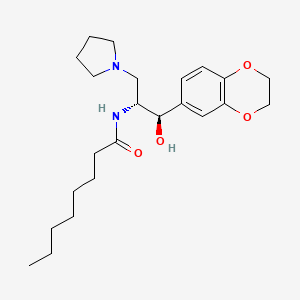
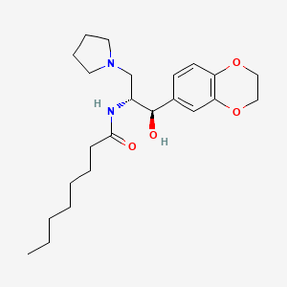
Eliglustat

Eliglustat is an oral medication treating Gaucher disease, a rare genetic disorder. It inhibits glucosylceramide synthase, reducing the accumulation of fatty substances in organs affected by the disease. Administered daily, Eliglustat offers a convenient alternative to traditional enzyme replacement therapies. It addresses the root cause of Gaucher disease, promoting improved organ function and quality of life. This precision therapy represents a significant advancement in managing this rare disorder, providing a more accessible and effective treatment option for individuals with specific types of Gaucher disease.

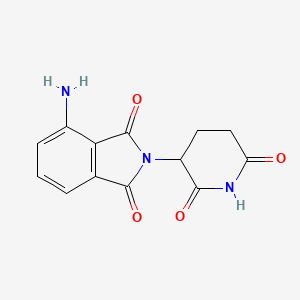
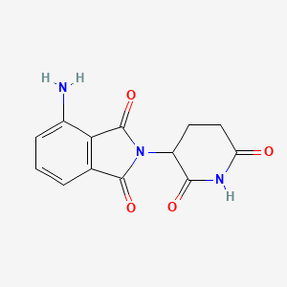
Pomalidomide

Pomalidomide is an oral medication used in the treatment of multiple myeloma, a type of blood cancer. It exerts its therapeutic effect by modulating the immune system and inhibiting the growth of cancerous cells. Typically taken in combination with other medications, Pomalidomide has demonstrated efficacy, particularly in cases where prior treatments have been unsuccessful. With a distinct mechanism of action, this medication contributes to advancing treatment options for multiple myeloma, providing patients with a valuable therapeutic option and fostering optimism for improved outcomes in the management of this challenging blood cancer.

Dabrafenib Methylated

Dabrafenib methylated is a targeted therapy for melanoma, inhibiting mutated BRAF genes. Administered orally, it disrupts cancer cell signaling pathways, impeding uncontrolled growth. Dabrafenib methylated is particularly effective in treating metastatic melanoma with the BRAF V600E mutation. By specifically targeting the altered gene, this medication offers a tailored approach, showcasing significant progress in precision medicine for melanoma patients, with manageable side effects compared to traditional chemotherapy.

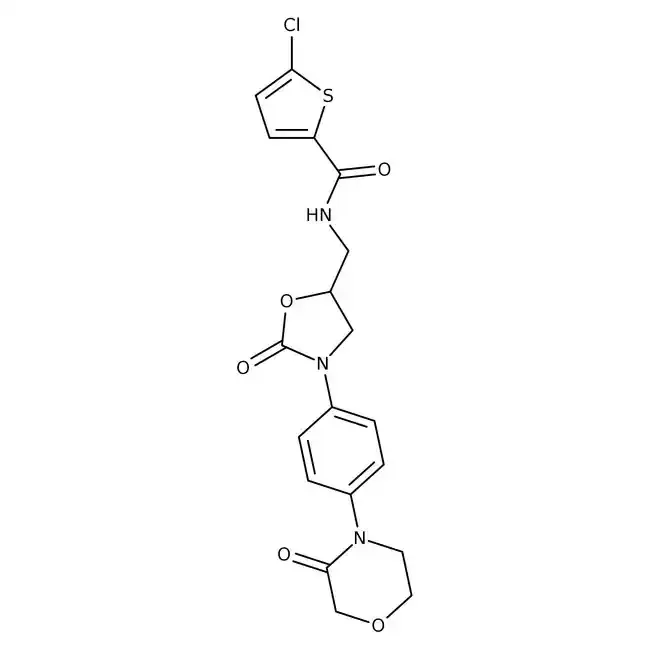
Rivaroxaban

Rivaroxaban is an oral anticoagulant used to prevent blood clot formation. Belonging to the class of direct oral anticoagulants (DOACs), it inhibits factor Xa in the blood coagulation cascade. Prescribed to reduce the risk of stroke in atrial fibrillation, prevent deep vein thrombosis, and treat pulmonary embolism, Rivaroxaban provides a convenient alternative to traditional anticoagulation therapies. Its oral administration and predictable pharmacokinetics contribute to its widespread use. As a versatile and effective anticoagulant, Rivaroxaban plays a crucial role in preventing thrombotic events and is a cornerstone in the management of various cardiovascular conditions.

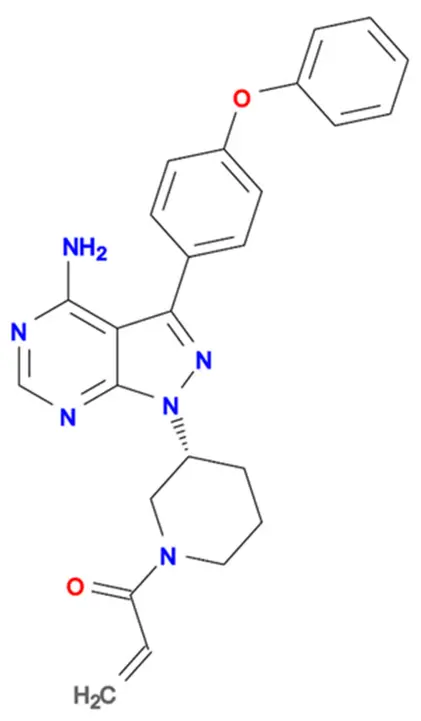
Ibrutinib

Ibrutinib is an oral kinase inhibitor utilized in treating various B-cell malignancies. By blocking Bruton’s tyrosine kinase (BTK), it disrupts signaling pathways involved in cancer cell growth and survival. Commonly prescribed for conditions like chronic lymphocytic leukemia (CLL) and mantle cell lymphoma, Ibrutinib has demonstrated notable efficacy. Its targeted mechanism and oral administration offer a well-tolerated and convenient therapeutic option for patients, contributing to advancements in the treatment landscape for B-cell malignancies and providing hope for improved outcomes in the management of these hematologic cancers.

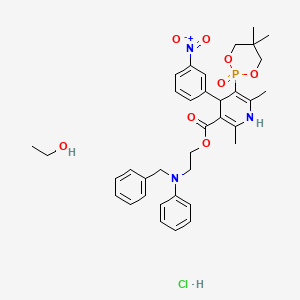
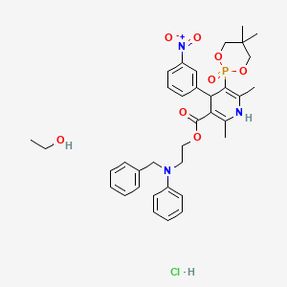
Efonidipine HCl ethanolate

Efonidipine HCl ethanolate is a calcium channel blocker used in the treatment of hypertension. It inhibits calcium influx into vascular smooth muscle cells, leading to vasodilation and reduced blood pressure. The ethanolate form enhances the drug’s solubility. Administered orally, Efonidipine HCl ethanolate provides effective blood pressure control with potential benefits for cardiovascular health. Its unique formulation reflects ongoing efforts to optimize antihypertensive therapies, offering a tailored approach to managing hypertension and contributing to the diverse array of medications available for individuals with high blood pressure.

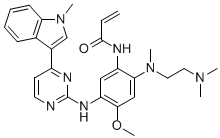
Osimertinib methylate

Osimertinib has been an effective second-line treatment in EGFR mutant NSCLC patients; however, resistance inevitably occurs. DNA methylation has been previously implicated in NSCLC progression and often in therapy resistance, however its distinct role in osimertinib resistance is not elucidated as yet. In the present study, we directly compared DNA methylation of nine selected genes (RASSF1A, RASSF10, APC, WIF-1, BRMS1, SLFN11, RARβ, SHISA3, and FOXA1) in plasma-cfDNA and paired CTCs of NSCLC patients who were longitudinally monitored during osimertinib treatment. Peripheral blood (PB) from 42 NSCLC patients was obtained at two time points: (a) baseline: before treatment with osimertinib and (b) at progression of disease (PD). DNA methylation of the selected genes was detected in plasma-cfDNA (n = 80) and in paired CTCs (n = 74). Direct comparison of DNA methylation of six genes between plasma-cfDNA and paired CTC samples (n = 70) revealed a low concordance, indicating that CTCs and cfDNA give complementary information. DNA methylation analysis of plasma-cfDNA and CTCs indicated that when at least one of these genes was methylated there was a statistically significant increase at PD compared to baseline (p = 0.031). For the first time, DNA methylation analysis in plasma-cfDNA and paired CTCs of NSCLC patients during osimertinib therapy indicated that DNA methylation of these genes could be a possible resistance mechanism.

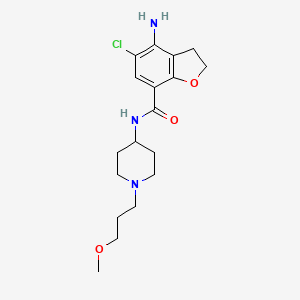
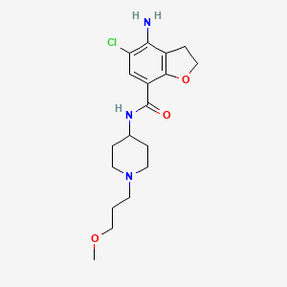
Prucalopride succinate

Prucalopride succinate is a medication primarily prescribed for chronic idiopathic constipation. As a selective serotonin agonist, it enhances bowel motility by stimulating serotonin receptors in the gastrointestinal tract. Administered orally, Prucalopride succinate helps alleviate constipation symptoms, promoting regular bowel movements. Its targeted action and minimal systemic absorption contribute to its effectiveness and tolerability. This medication represents a valuable option for individuals with chronic constipation, addressing a common digestive issue and improving the quality of life for those affected by this condition.

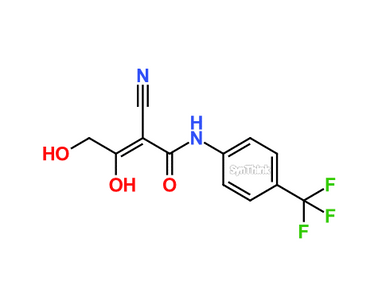
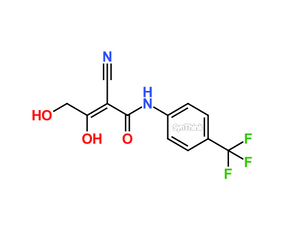
Teriflunomide

Teriflunomide is an oral medication used to treat relapsing forms of multiple sclerosis (MS). As an immunomodulatory agent, it inhibits dihydroorotate dehydrogenase, interfering with lymphocyte proliferation and reducing inflammation in the central nervous system. Administered once daily, Teriflunomide has demonstrated efficacy in decreasing relapses and delaying disability progression in MS patients. Its convenient oral form and favorable safety profile contribute to its role as a significant therapeutic option, offering hope for better disease management and improved quality of life for individuals living with relapsing forms of multiple sclerosis.

Delamanid

Delamanid is an oral medication used in the treatment of multidrug-resistant tuberculosis (MDR-TB). It inhibits mycobacterial cell wall synthesis, targeting the respiratory chain. Administered as part of a combination regimen, Delamanid demonstrates efficacy in treating MDR-TB, contributing to improved outcomes for patients with challenging-to-treat tuberculosis strains. Its inclusion in treatment protocols underscores the importance of expanding options against drug-resistant tuberculosis, addressing a critical global health concern. Delamanid’s role in the fight against MDR-TB reflects advancements in tuberculosis therapeutics, offering hope for enhanced treatment success and reduced transmission of drug-resistant strains.

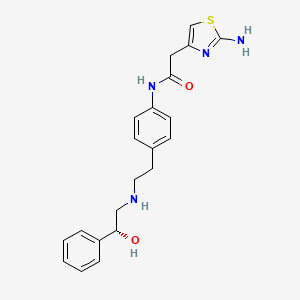
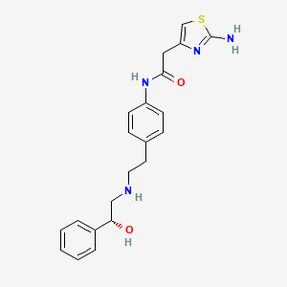
Mirabegron

Mirabegron is an oral medication primarily used to treat overactive bladder (OAB). As a beta-3 adrenergic receptor agonist, it relaxes the bladder smooth muscle, increasing its storage capacity and reducing urgency. Administered once daily, Mirabegron provides an alternative to traditional OAB treatments, often when antimuscarinic medications are not well-tolerated. Its mechanism offers effective symptom relief, addressing urinary frequency and urgency, and contributing to improved quality of life for individuals dealing with overactive bladder symptoms. Mirabegron’s role in OAB management showcases advancements in urological care, providing a valuable option for those seeking tailored solutions for bladder dysfunction.